QBCC licensed, Cm3 prequalified, with $20M public and products liability and $10M professional indemnity. Sprinkler systems designed, installed and commissioned to the AS 2118 series, then maintained to AS 1851.
Most fire companies service sprinkler systems. Fewer can take one from design to handover. Safe QLD does both, then maintains it for the life of the system.
AS 2118.1 Sprinkler Systems AS 2118.4 Residential AS 2118.6 Combined Systems AS 1851-2012 AS 2941 Fire Pumpsets NCC QBCC Licence 1143420
Hydraulic design to the AS 2118 series, hazard classification, density and area of operation, water supply assessment and coordination with the hydraulic consultant, certifier and builder.
Coordinated shop drawings, pipework and head layouts, valve room arrangements, block plans and as-built documentation ready for handover and the maintenance file.
New installations, extensions, relocations for fitouts, in-rack retrofits and staged upgrades in live buildings, installed by Safe QLD to the approved design and programme.
Methodical commissioning, hydrostatic and flow testing, alarm and monitoring verification, and the certification documentation your certifier and insurer require.
Monthly, six-monthly, annual and five-yearly sprinkler routines run as a scheduled contract across single sites or an entire portfolio, with one reporting standard.
24/7 on call across the Gold Coast to Sunshine Coast corridor with a 2 hour response for tripped valves, leaking heads, pressure loss and impaired systems.
Safe QLD Pty Ltd, trading as Safe QLD Fire Protection. QBCC licence 1143420 (fire protection) and electrical contractor licence 1506841, FPA Australia member, WorkCover Queensland, and a WHS management system of 180+ controlled documents independently assessed under Cm3. Certificates of currency, SWMS, our WHS management plan and sample service reports are supplied on request for tenders, supplier panels and head contractor onboarding portals. Tenders and prequalification.
Open any panel for the full scope, method and schedules.
Most fire companies service sprinkler systems. Fewer can take one from design to handover. With over 60 years of combined experience, the Safe QLD team has been a mainstay of fire protection compliance throughout South East Queensland, and our sprinkler capability runs the full length of an asset's life: engineering the design, drafting the layouts and block plans, installing the system, commissioning it methodically and assembling the handover documentation, then maintaining it to AS 1851 for the life of the system.
That matters when a system needs more than a test sheet. Upgrading a warehouse from ordinary hazard to in-rack protection, extending a live sprinkler main through an occupied floor, replacing a corroded valve set on a tenanted high-rise, or rectifying a defect schedule handed down after a certifier's audit are engineering jobs, not service calls. Because our design, drafting, project management, installation, commissioning and maintenance teams sit under one roof, the person who calculates the hydraulics is in the same business as the technician who returns to flow test it.

Pumped or un-pumped, Safe QLD services sprinkler systems, hose reels, hydrants and water tanks with directly employed, QBCC licensed technicians, from a single valve set to a fully pumped multi-stage installation, on one site or across a portfolio.
Selecting the right system is a design decision, not a catalogue choice. We classify the hazard, model the water supply and specify the arrangement that meets AS 2118 and the NCC for that building, then deliver it.

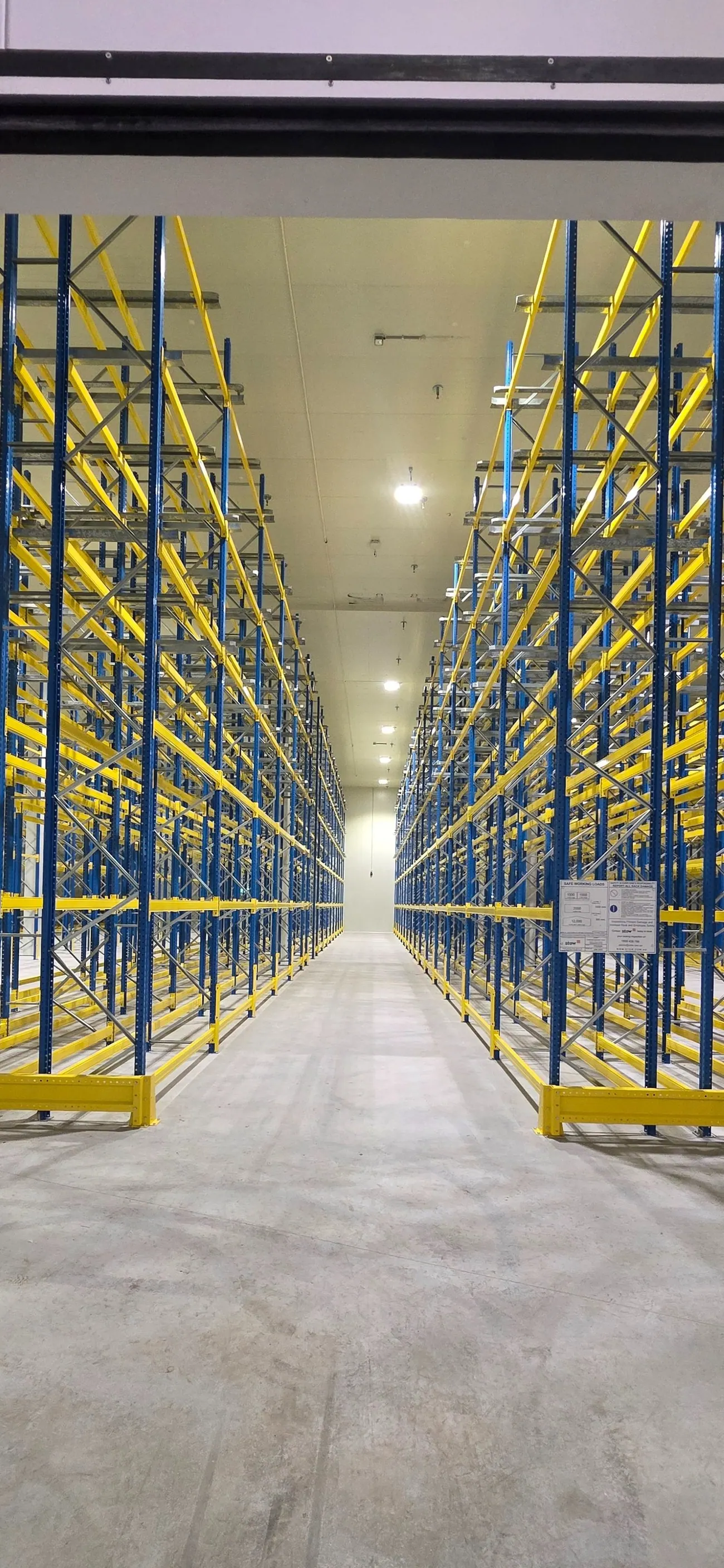
Racked storage changes everything about a sprinkler design. Storage height, commodity classification, rack configuration, flue spaces and aisle widths drive the density, the head selection and whether ceiling-only protection is even permitted. Get it wrong and the system is non-compliant the day the racking is reconfigured.
We already work across the cold chain in South East Queensland. Our recent work for Standard Universal Group at Morningside includes maintenance across a 13-building cold storage site and a new cold store sprinkler, fire indicator panel and aspirating detection project. The constraints of a live temperature controlled facility are familiar ground.

Apartment towers carry a sprinkler system that has to work quietly around hundreds of residents. Valve sets sit in basements and risers, flow switches report by floor, and any isolation has to be planned to the minute. Safe QLD installs, maintains and upgrades residential sprinkler systems for strata managers, bodies corporate and building managers across Brisbane and the wider SEQ region. Recent work includes the full detection and sprinkler installation at The Esplanade, Redland Bay, a multi-storey residential building.
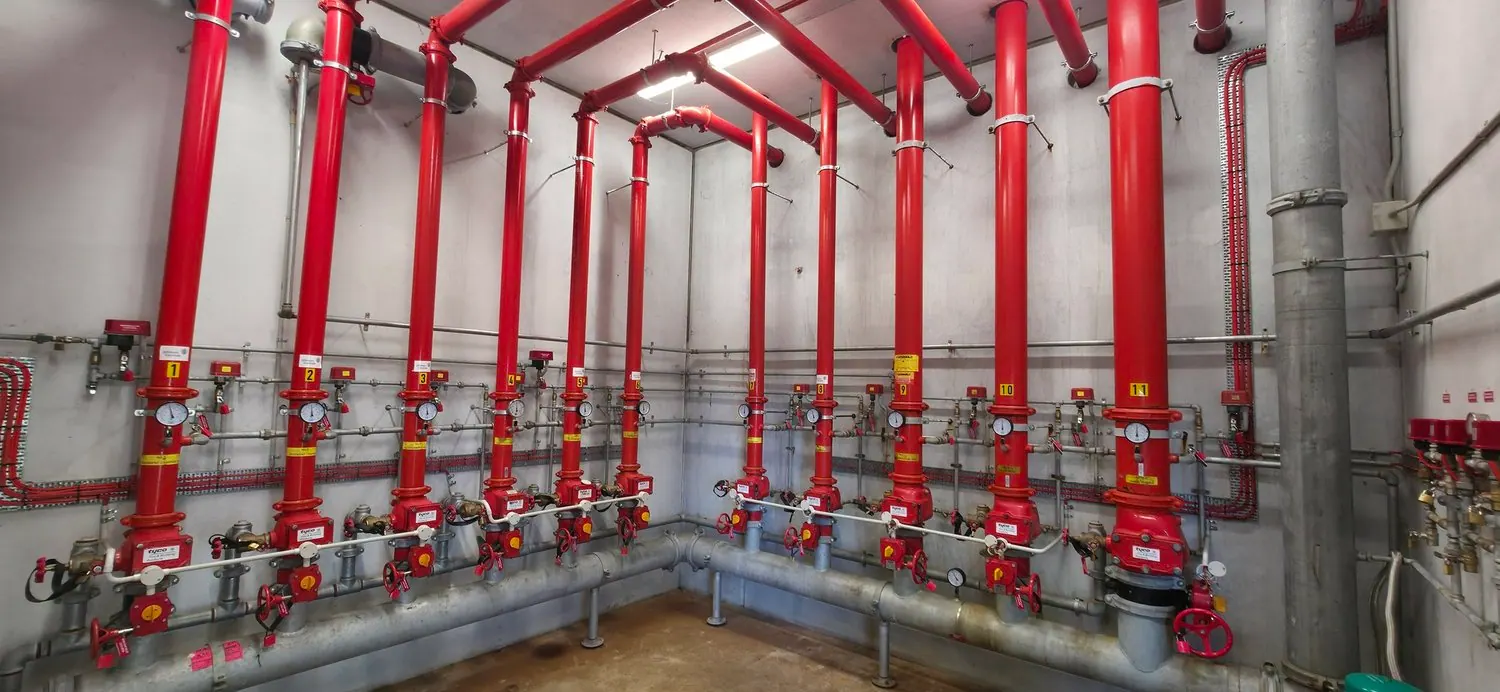
A sprinkler system is only as reliable as its control valves, alarm valves, flow switches and heads. Most sprinkler defects we are called to are not exotic, they are a closed isolation valve nobody logged, a seized alarm valve, a flow switch that no longer reports to the panel, or heads painted over during a fitout. Our routines target exactly those failure points, so they are found before they matter.
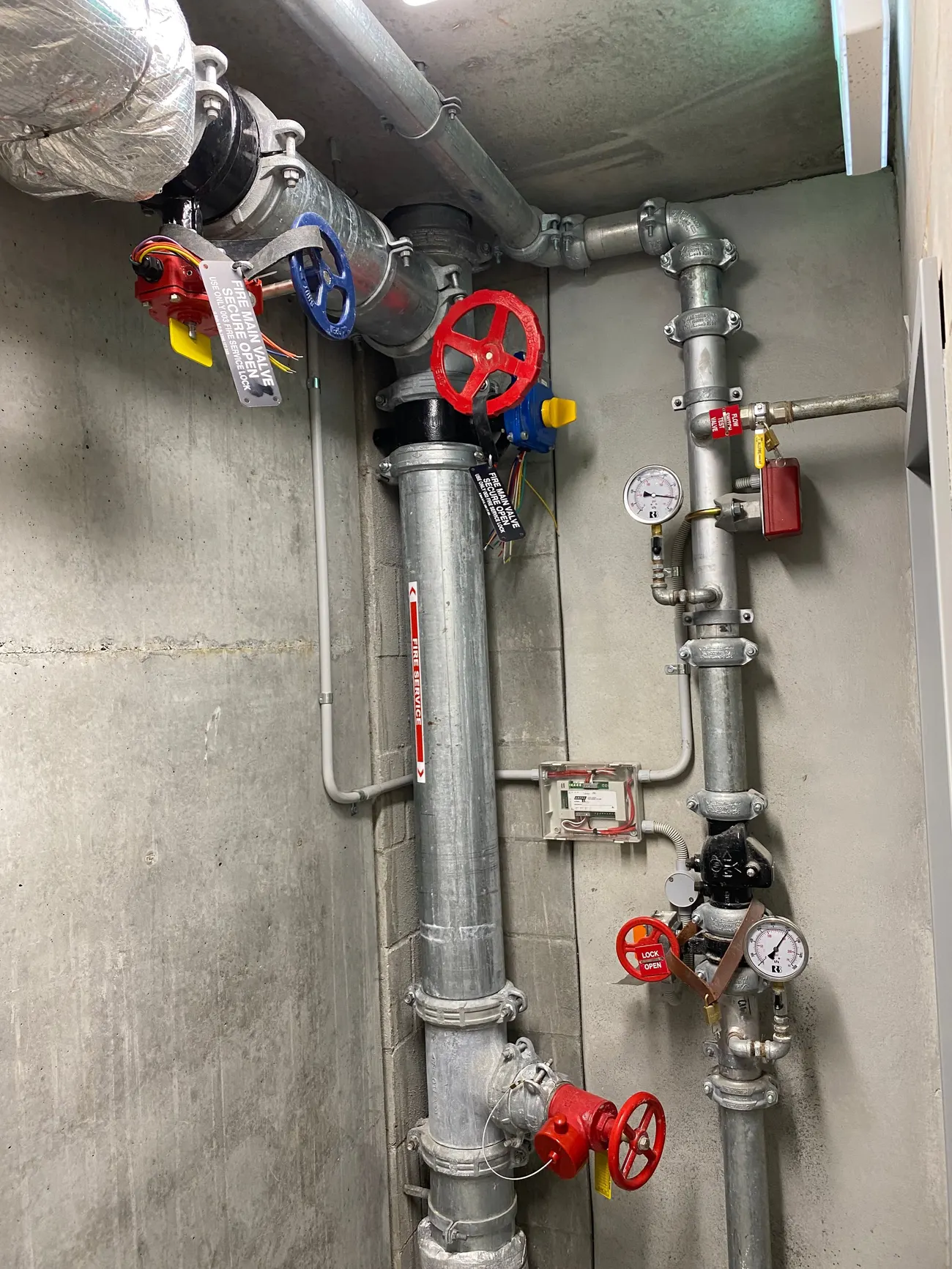
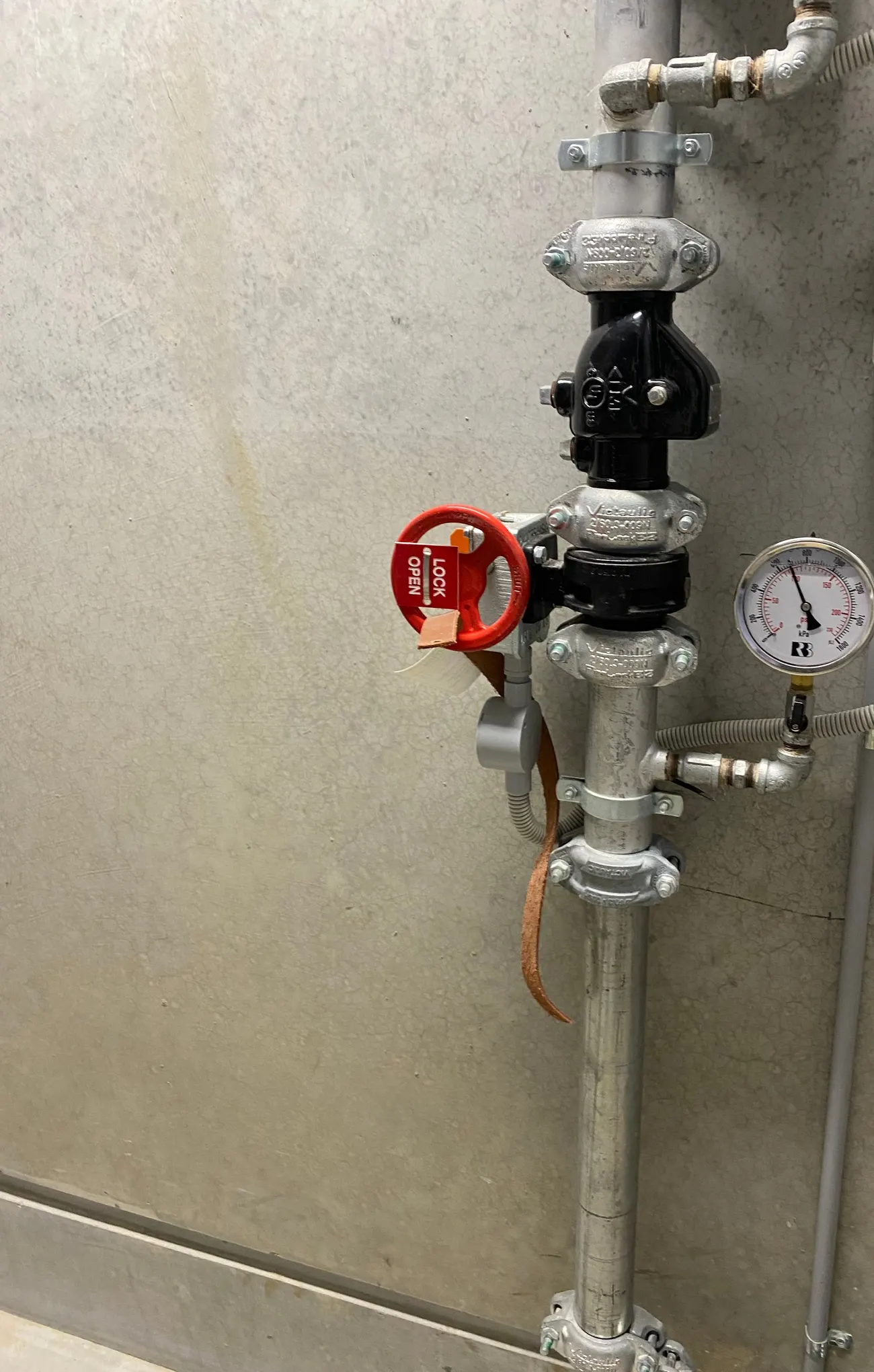
Inspection, testing, servicing, overhaul and full replacement of sprinkler alarm valves, main stop valves, non-return valves and the associated trim, gauges and drains. Valve room housekeeping and labelling brought back to standard.
Flow switch operation verified through the test valve, alarm transmission to the fire indicator panel confirmed, and signal receipt confirmed with the monitoring company so every zone reports where it should.
Position, strapping, locking and monitoring of every isolation valve checked and recorded. Valves exercised, reseated or replaced, and any valve found closed is reported immediately as an impairment.
Painted, corroded, loaded, damaged or leaking heads replaced like for like, matched for type, temperature rating and response class, with the spare head stock and wrench your valve room is required to hold checked and topped up.
Accurate, current block plans and system schematics drafted and mounted in the valve room, along with as-built drawings, hydraulic data and the AS 1851 baseline data your maintenance program depends on.
Corrosion, leaks, seismic and hanger support defects, obstructed heads and unauthorised alterations by other trades identified, quoted and rectified, including pipework modification for fitouts and racking changes.
AS 1851-2012 does not treat a sprinkler system as one annual visit. It layers four routines on top of each other, each digging further into the system, and each generating records that your annual occupier statement relies on. Safe QLD schedules all four across your site or portfolio so the annual and five-yearly work is planned and budgeted well before it falls due.
| Routine | What is carried out | Why it matters |
|---|---|---|
| Monthly | Visual inspection of the valve enclosure, confirmation that all control and isolation valves are open, strapped and monitored, gauge pressures on the water supply and system sides recorded, water supply availability confirmed, pumpset and tank status checked where fitted. | Catches the single most common cause of sprinkler failure, a closed or unmonitored valve, and detects pressure loss before it becomes a defect. |
| Six-Monthly | Alarm testing through the test valve on each alarm valve and zone, flow switch operation and transmission to the fire indicator panel, monitoring signal receipt confirmed with the monitoring company, valve set operation and trim checked, pumpset routines where applicable. | Proves the system can actually raise an alarm and get a signal to the brigade, not just hold water. |
| Annual | Full system inspection including water supply flow test and pressure readings against the design data, sprinkler head condition survey, pipework, hangers and supports, obstruction and clearance checks, valve operation, spare head stock verified, block plans and records reviewed against the installed system. | Confirms the water supply still delivers the flow and pressure the system was designed around, and that no fitout or racking change has compromised coverage. |
| Five-Yearly | Internal inspection of pipework for corrosion, scale and obstruction, valve overhaul, gauge verification, water supply and tank inspection, pumpset overhaul items, and a comprehensive report on system condition and remaining service life. | The deep service. It finds internal corrosion and degraded heads that no external inspection can see, and is where most major rectification budgets originate. |
Frequencies and the exact scope of each routine depend on the system type, its classification and the arrangement installed. Dry, pre-action and pumped systems carry additional routines, including dry valve trip testing and pumpset test runs under AS 1851-2012 Section 3. We set the correct schedule against your system during the baseline survey rather than applying a generic template.

Sprinkler work in an occupied hospital, shopping centre, cold store or apartment tower cannot be improvised. Every isolation is an impairment, and an unmanaged impairment is an insurance and life safety exposure. Safe QLD runs a controlled procedure on every job that touches a valve.
This is the same discipline we apply on hospital and healthcare projects, where a sprinkler zone cannot simply be turned off for the afternoon. Recent health work includes the helipad fire deluge system at Rockhampton Hospital.
Hazard classification, hydraulic design to AS 2118, water supply assessment and coordination with the hydraulic consultant, engineer and certifier on the project.
Shop drawings, head and pipework layouts, valve room arrangements and block plans, coordinated against structure, services and racking.
Programme, procurement, site coordination, ITPs and hold points managed by a dedicated project manager so the builder gets one point of contact.
Sprinkler installation to the approved design and programme, with our own electrical technicians connecting flow switches and monitoring interfaces to the fire panel.
Hydrostatic and flow testing, alarm and monitoring verification, defect close out and the certification documentation required for handover.
The system rolls straight into a scheduled AS 1851 maintenance contract with the same business that designed, installed and commissioned it, and the same digital reporting.
Hydrant systems, boosters, ring mains, hose reels and the water supply behind them, flow tested, serviced and upgraded across SEQ.
Explore hydrants and hose reelsPanels, ASD and VESDA, occupant warning and EWIS designed, installed, programmed and maintained by QBCC licensed technicians.
Explore detection systemsSix in-house disciplines covering design, drafting, project management, installation, commissioning and handover on major fire system projects.
Explore construction servicesSend the drawings, the asset register or the last audit report. You get a written scope, a price and our prequalification pack from the people who will do the work. QBCC 1143420, Cm3 prequalified, $20M public liability and $10M professional indemnity.